


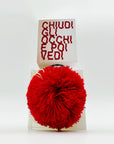





close your eyes and then see
Parfum extract

What a circus of lights life is!
Lights that make me close my eyes.
Too bright.
When I close my eyes
a shadow of a smile,
Thrills that suck the heart out.
What a distracted life,
what a painting of white solitudes!
What a mask of tears and strange smells!
We are laughing students without warmth,
rigid, unchanging.
The pain.
You fear the unknowable
behind a friendly gesture,
You are afraid of not being able to read
to read the dance of an old face.
Melancholy of time and history.
Dance, joke, deception.
Friendly laughter, discordant tone,
distant echo of mud and entrails.
Close your eyes, for in the darkness you see,
because thoughts become more closed and deeper,
And the face that deforms mine returns,
I remember.
Everything is not as it seems.
Now close your eyes,
disturbing mask,
lost soul,
that devours peace instead of seeking it,
Heart that makes a lost man shudder,
who longs for the courage to go around in circles.
Not everything is as it seems.
The fear of clowns, also called coulrophobia, is a relatively common and often misunderstood phobia.
This fear can manifest itself in varying degrees of intensity, from mild discomfort to paralyzing terror, and is believed to be deeply rooted in the human psyche.
The figure of the clown has historically been associated with fun and entertainment, dating back to the medieval jesters and harlequins of the Commedia dell'arte. However, the grotesque appearance of the clown, with its exaggerated makeup distorting its facial features, can evoke feelings of ambiguity and uncertainty. This distortion can lead people to perceive clowns as disturbing figures because their appearance does not conform to normal human behavior.
Psychology suggests that the fear of clowns stems from the difficulty of discerning the true emotions behind the heavy makeup. We normally tend to read facial expressions to understand the intentions of those around us. When this ability is impaired, as in the case of clowns, it can trigger anxiety and fear. The often unpredictable behavior of clowns can contribute to a feeling of unease.
Popular culture has reinforced the fear of these figures through negative and frightening depictions. An emblematic example is the figure of Pennywise, the evil clown from Stephen King's novel “It,” which has terrified generations of readers and viewers and is the inspiration for the thirteenth fragrance in the UNUM collection.
Coulrophobia, now also developed olfactorily with Filippo Sorcinelli, is a kind of culmination of research into the profound meaning of fear, which began in 2018 with the fragrance "but not today" and continued last year with "né il giorno, ne l'ora" (not today, not today). It can have significant repercussions on the daily lives of those affected. Everyday situations such as children's birthdays or circus events can become a source of stress and anxiety. In extreme cases, the mere sight of a clown can trigger a panic reaction.
Ambiguity is indeed the lagoon of thoughts, the clumsy movements smeared with art project our fears, grimace and describe malice.
But authentic art intervenes in the superficial evil, just as it intervenes in the soul. Only it creates that short circuit capable of neutralizing what the negative aspect of evil creates. Art describes the negativity, but it doesn't limit or exacerbate it. It describes it because it exposes it, so that beauty can prevail even in negative situations.
Someone has to be bad, but only the other can define his limit on the path of loneliness.
And only then does the center of evil become a social construct.
Often bought together:

Lemon, Bergamot, Lavender, Strawberry

Mugwort, Petitgrain, Clary Sage, Patchouli

Vetiver, Cedarwood, Sandalwood, Amber, Oud

Woody Amber
This information reflects our current state of knowledge. Ingredients may be adjusted by the manufacturer from time to time. We therefore strongly recommend checking the relevant information on the product packaging before use.

Fast shipping
Climate-neutral shipping usually within one working day

100% original goods
We only work directly with the brands and their official distributors

Passion for fragrances
Our heart beats for small manufacturers, not for large corporations

We are here for you!
If you have any questions, you can reach us quickly and easily